How to Buy Walking Shoes
When starting a walking program, the most important thing is to start walking. Put on any pair of comfortable, supportive shoes and go for a short walk.
As you start to walk farther, it becomes important to have a pair of shoes that are up to the task.
Qualities of a Good Walking Shoe
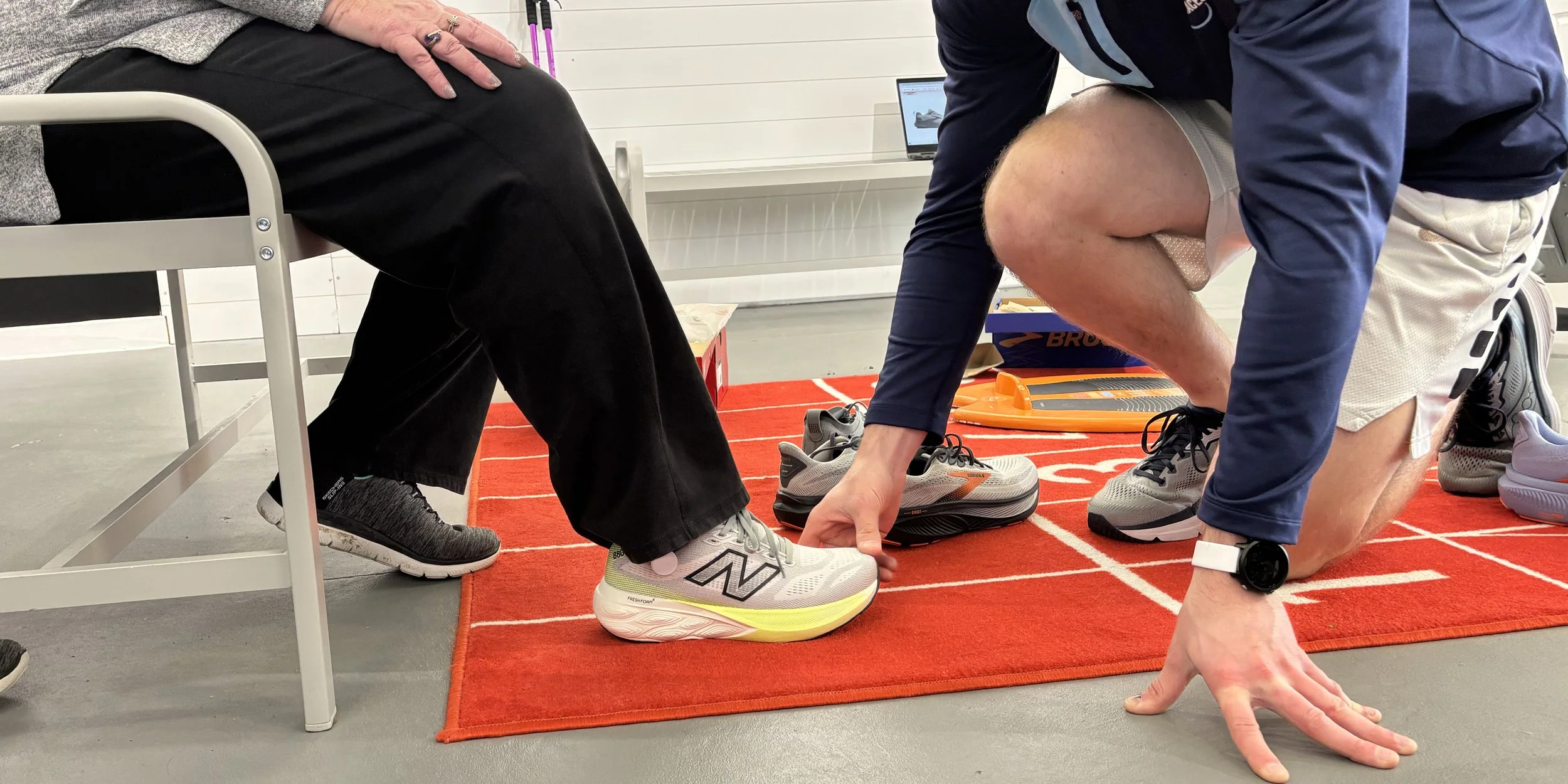
Proper fit: A poorly fitted shoe can, over time, do more harm than good. It can cause blisters and foot pain, and possibly even lead to knee and back pain. A well fitted shoe should fit snuggly through the heel and have enough room for your toes to wiggle. Keep in mind that your feet naturally swell when you are active, so be sure not to get shoes that are actually too small. Getting a fit from someone trained is the best way to go.
Comfort: Beyond a good fit, a comfortable shoe is flexible, lightweight, and breathable. Flexibility is important for natural walking movement, and heavy shoes can tire you out. Breathable shoes allow perspiration to escape so your feet don’t get soggy.
Arch support: A shoe with appropriate arch support helps distribute your weight, reducing stress in your foot and in your ankle, knees, and hips. Humans can have high, low, or neutral arches, so a shoe that one person says they really love might not be the right shoe for someone else.
Accommodation for special needs: If you overpronate (roll in excessively) or supinate (roll outward) with each foot strike, there are shoes made for those situations. A professional fitter can look at the wear pattern on your current shoes and watch you walk around the store or on a treadmill to see what you need.
If you have foot conditions like bunions, hammertoes, or bone spurs, mention these to your fitter to be sure the shoes you are looking at are the best for you.
Cushioning: Whether you are running or walking, all of your weight is landing on your foot with each step, so it is important to have a shoe with adequate shock absorption. Runners and walkers strike the ground differently, so be sure to let your fitter know that you are buying shoes for walking.
Appropriate traction: Traction is important so you don’t slip and fall. Look for shoes with durable tread and adequate support. Different tread patterns and tread materials are designed for different surfaces, so get the right tread for the walking you plan to do.
When to Buy New Walking Shoes
Your walking shoes should provide you with a comfortable fit, support, and protection. When your shoes start falling short in these tasks, it is time to replace them.
Look for these additional signs.
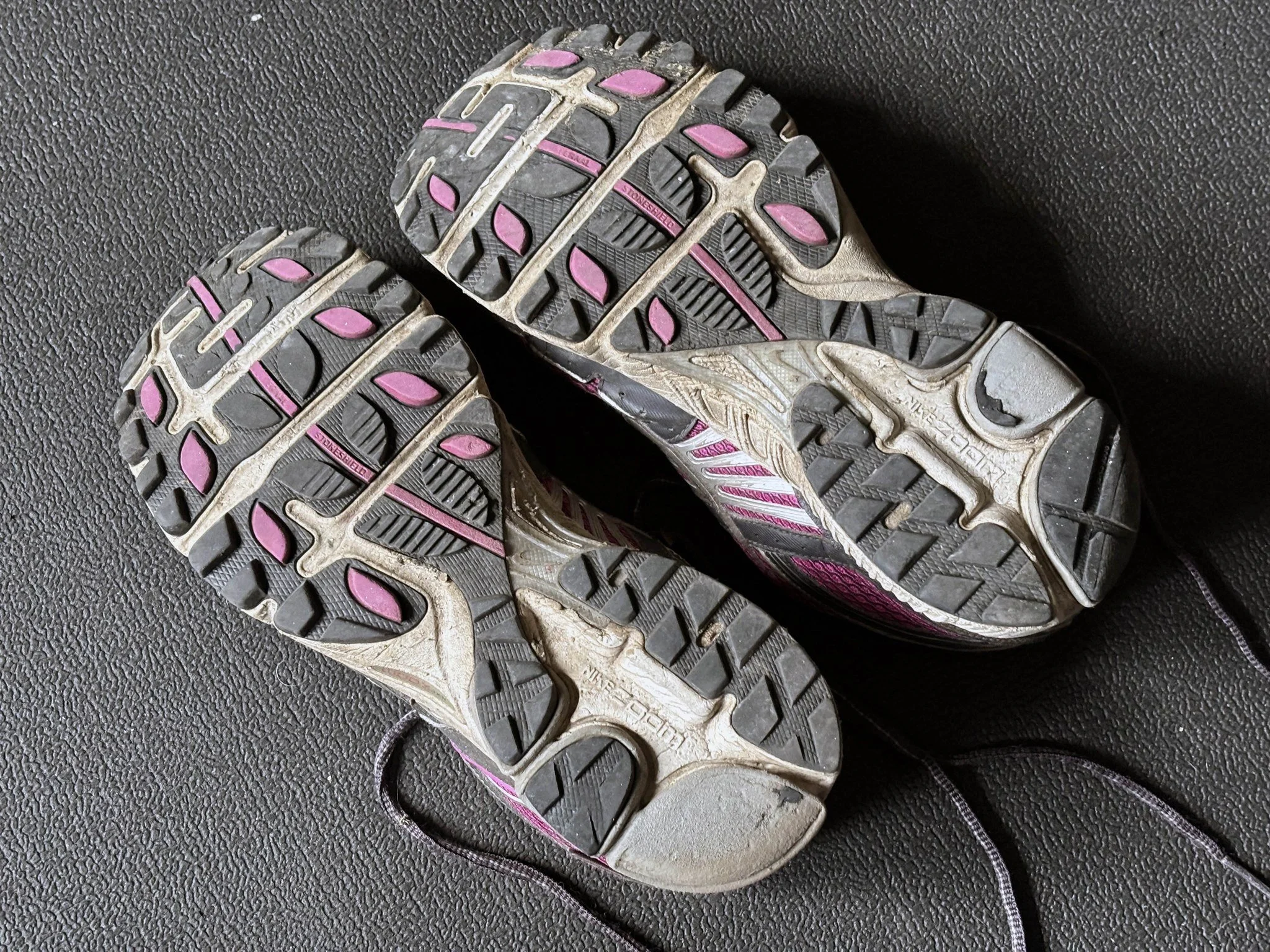
Worn down tread pattern: The tread on the bottom of your shoe is what provides traction. Don't wait until you start slipping. Check the tread every so often to see how rapidly it is wearing down.
Uneven wear: While you are checking the bottom of your shoe, look to see if it is wearing unevenly. Check also to see if the foam is more compressed in one area than another. Problems like this don't just mean you shoe won't do its job, it could actively harm you.
Extensive creasing and wear: Look at the upper part of your shoes. You will have some creasing; that's not a problem. However, the shoe bends with every step… A crease forms… The end of the crease gets rubbed raw… The raw spot develops into a hole… The hole can tear open. Keep an eye on this process and replace your shoes before they fail.
Common Questions About Walking Shoes
I interviewed Kyle Baumhover, Store Manager at Fitness Sports Ankeny about buying walking shoes.
Are walking shoes different from running shoes?
“True walking shoes tend to have more firm cushioning, more strict walls surrounding the ankle, and higher support levels. Running shoes tend to be lighter weight and have varying levels of support. Since many running shoes offer the support and structure that allows for successful walking, many times the best walking shoe is a running shoe. I would highly recommend being properly fitted for shoes by your local running store in an effort to ensure you're finding the right match.”
Do I need different shoes for dirt trails versus pavement?
“Shoe manufacturers build trail shoes, road shoes, and now build what's called a road-to-trail shoe. The difference you'll notice in each is the tread on the bottom.
“Trail shoes tend to be very rugged, with aggressive tread on the bottom and a water-resistant build. Road shoes are what we're used to, with softer soles, breathable mesh, and soft tread on the bottom. For those who are on both roads and trails, I would recommend looking at a road-to-trail shoe. These are great universal options that offer the best of both worlds.”
Should I really go to a specialty store instead of a big box store?
“To ensure that you're getting the best match from shoe sizing to structure of shoe, it's important to speak to an expert. It's easy to buy a shoe online or off the wall, however not always does that shoe make sense for you. A great price doesn't mean it's great for you. Especially when you're having aches and pains or recovering from an injury, you need to make sure that your footwear is working with you, not against you.
“When someone visits our store, we go through multiple steps to make sure we can make a high-level recommendation. I always start by asking questions including intended use of the shoe, how previous shoes helped/didn't help with that intended use, and any discomforts or pains while walking or running.
“We analyze arch height, shoe size, and recommend a shoe width using our Arch board. Many times, this can help us understand why we are noticing certain pains in shoes. After discussing proper sizing, we perform a gait analysis. If someone is looking to walk with the shoes, we record them walking on the treadmill or through the store. Through this gait analysis, we can do a deeper dive into what ankle needs/structure benefits the user the most.
“Following this, we try on shoes that match all of the small bits of information we collected. By using this fitting process, we've been very successful in helping Iowans find the best shoe for their unique needs. Outside of shoes, we discuss proper footwear for around the house, sock options, as well as try on arch supports that match their height and intended purpose.”